Deep Cleaning in Camden

Deep cleaning in Camden is a detailed service for homes, flats and shared spaces that need more than a standard tidy. It focuses on built-up grime, neglected corners and the parts of a property that are often skipped in routine cleaning. Our approach is designed to support a fresher, more manageable environment by working methodically through rooms, surfaces and fittings with care and attention to detail.
The work can include kitchens, bathrooms, living areas, hallways and other used spaces, along with carefully chosen tasks around fixtures, storage edges and high-contact points. We tailor the scope to the property and the condition described, so the service stays practical rather than over-extended. If you are comparing options or planning ahead, it is sensible to request a quotation once you know which rooms and finishes need the most attention.
For a clearer plan, it helps to think in terms of priority zones: grease-prone cooking areas, water-marked bathroom fittings, dusty ledges, internal doors and skirting, and upholstery or flooring that has collected embedded dirt over time. If you want to move quickly, contact us for a quote with a short description of the property and the rooms that matter most.
What our Camden deep cleaning covers
Deep cleaning is not just a more intensive version of everyday housekeeping. It is usually more focused on built-up residue, awkward edges and surfaces that need time rather than speed. In practical terms, that means looking beyond visible clutter and paying attention to the places where dust, limescale, food splashes and general wear tend to settle. The exact work depends on the property, but the aim is always the same: a thorough, orderly clean that leaves key rooms feeling properly refreshed.
Different homes need different priorities. A compact flat may need concentrated kitchen and bathroom work, while a larger property may need a broader sweep across living spaces, hallway details and upstairs rooms. We can also adapt the service where a property contains a mix of finishes, such as painted woodwork, tiled areas, glass panels, stainless steel fittings and soft furnishings. The service is therefore best understood as a structured clean built around the condition of the property rather than a fixed checklist copied from one job to another.
Areas that often need the most care
In many properties, the most demanding tasks are the ones that are easy to postpone. That may include wiping residue from kitchen surfaces, cleaning around taps and sinks, removing marks from bathroom fittings, dealing with dust along edges, or tackling contact points that collect fingerprints and smudges. A good deep clean also pays attention to places such as cupboard fronts, shelf edges, switches, handles and accessible trim, because these areas can affect the overall impression of a room even when the main surfaces look tidy.
Kitchen deep cleaning and food-preparation spaces

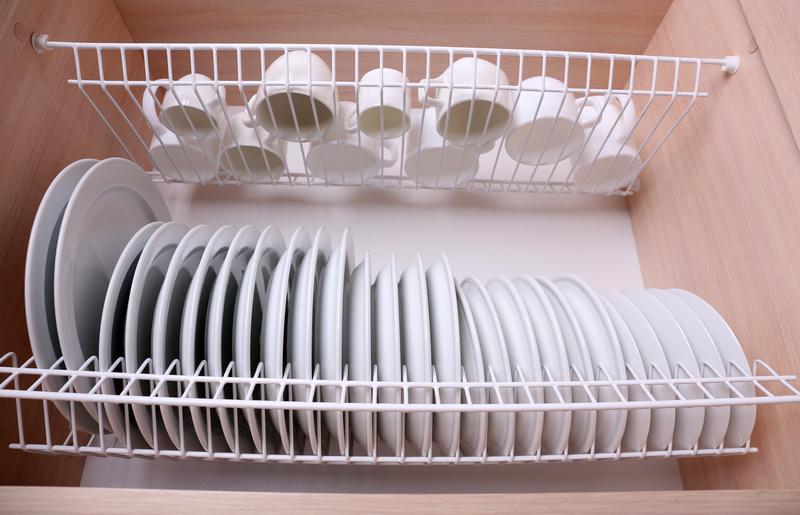
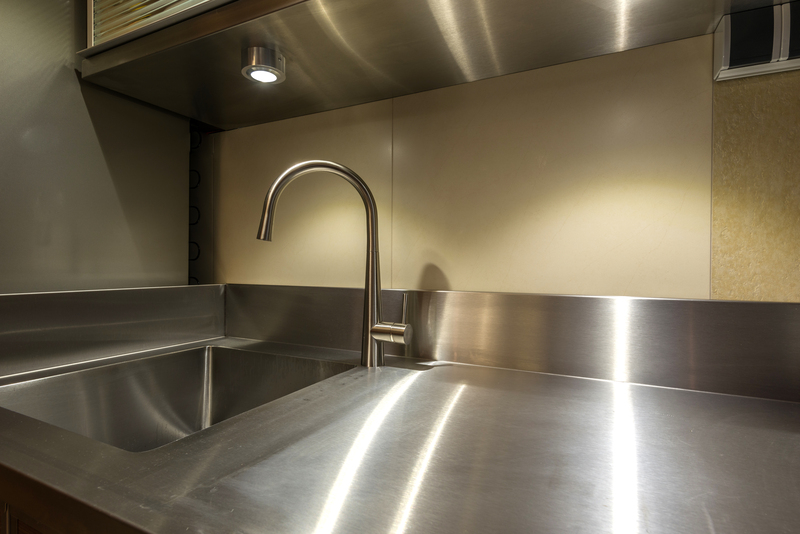
Kitchens often benefit most from a detailed clean because cooking naturally leaves behind grease, steam residue and fine splashes. Our kitchen cleaning work can focus on splash-prone areas, exterior surfaces, sinks, taps, hob surrounds, cupboard fronts and the places where daily use builds up over time. The aim is to make the room feel easier to use and more pleasant to maintain afterwards, while still respecting the finishes already in place.
Where appropriate, the work can also cover accessible appliance exteriors, tiled sections, extractor areas and other commonly handled surfaces. Deep cleaning here is not about forcing a one-size-fits-all process; it is about choosing sensible tasks that suit the room’s materials and condition. If your kitchen has delicate finishes, mixed surfaces or awkward access points, those details should be mentioned when you ask for a quotation so the scope can be set out properly.
Useful preparation is usually simple and focused. It helps if you can share the rooms that matter most, note any fragile surfaces and mention any particular build-up or staining that needs attention. That makes it easier to define the work accurately before a visit or estimate. Once the key areas are clear, you can move forward with confidence and keep the discussion about the service straightforward.
Bathrooms, wash areas and stubborn marks
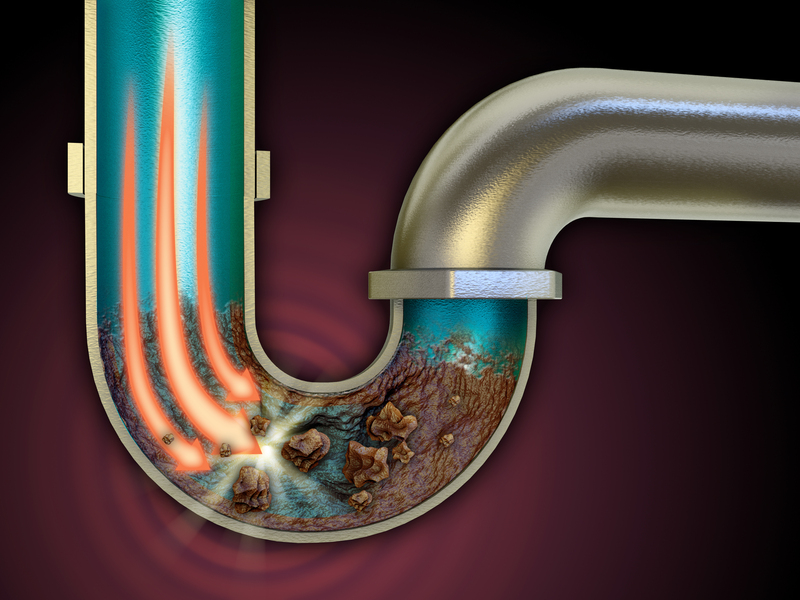
Bathrooms call for a different sort of precision because the main issues are often moisture, limescale, soap film and regular contact with hard surfaces. A deep clean in these spaces may include taps, basins, showers, baths, tiled surrounds, accessible seals and other commonly used fittings. The purpose is to restore a cleaner, more orderly finish to the room and reduce the dulling effect of everyday residue.
Some bathrooms also need extra care around corners, lower edges and areas where water has repeatedly dried onto surfaces. Where suitable, we can focus on the visible build-up without overworking materials that may be sensitive to abrasive treatment. This is especially important when a bathroom includes older fixtures, polished metal, patterned tile or natural stone surfaces that need a careful approach rather than heavy-handed scrubbing. A good result comes from matching the method to the room.
For households planning a one-off deep clean, bathrooms are often a sensible place to start because they can change the feel of the whole property. If you are comparing service levels, ask what will be included in the quote for bathroom fittings, shower screens, tile edges and other detailed areas. A clear brief saves time later and makes the work easier to tailor to your property.
Floors, skirting and the detail work that changes a room

Deep cleaning is often most noticeable in the smaller details, especially on floors and edges. Dust and debris settle along skirting boards, under reachable furniture, beside doors and around thresholds, so these areas can quietly make a room feel less finished even after the main surfaces are cleaned. Careful floor cleaning and edge work help create a more even result across the whole space.
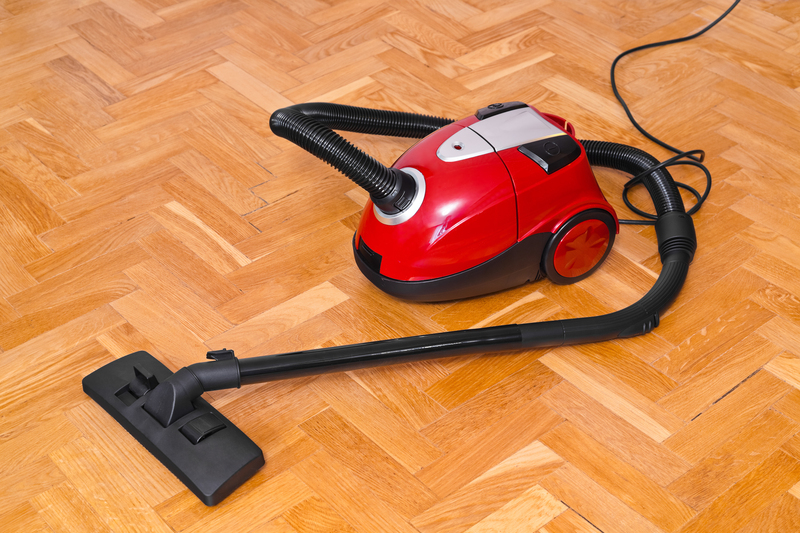
Depending on the property, our work may include hard floors, tiled sections, vacuuming of accessible floor areas, careful treatment of floor edges and attention to points where dirt gathers in corners. This is particularly useful in busy households, shared flats and properties that have seen a long period without a proper detailed clean. The outcome should be a space that feels fresher from the floor up, not just visibly improved at eye level.
- Accessible hard-floor areas can be cleaned with the surface finish in mind.
- Skirting, thresholds and edges can be included where they are reachable and relevant.
- Entryways and hallway zones often benefit from extra attention because they collect tracked-in dirt.
- Where floor care needs to be selective, the quotation can reflect that scope clearly.
Soft furnishings and room finishes
Some properties need more than hard-surface attention, especially where dust, everyday contact and settled particles affect upholstery, fabric furnishings or cushioned seating. Depending on the condition described, a deep clean may be paired with upholstery cleaning or sofa cleaning so that the service covers both visible surfaces and the items people use most often. This is often helpful when a room feels tired even though there is no major visible damage.
The same careful approach applies to rugs and carpets, which can trap dirt deep in the pile and lose their freshness gradually rather than suddenly. Where relevant, carpet cleaning or rug cleaning can be discussed alongside the main deep clean so the quotation reflects the real work required. The point is not to add unrelated services for the sake of it, but to recognise when a room’s overall result depends on more than wiping down hard surfaces.
Some upholstery and textile finishes need gentle handling, especially when there are mixed fibres, light colours or aged materials. If you are unsure how much of the fabric care should be included, it is better to describe the items and ask for the scope to be set out plainly. A measured brief usually leads to a more useful estimate than a vague all-inclusive request.
How to request a quotation for deep cleaning

Quotation requests work best when they describe the property clearly and concentrate on the tasks that matter most. You do not need a long list of every item in the home, but it is helpful to mention the number of rooms, the main areas to be cleaned, and any surfaces that need particular care. That gives a better basis for pricing than a short message that only says the property needs a deep clean.
If there are access points, parking considerations, delicate finishes or especially heavy build-up, include those details as well. These practical points affect how the work is organised and how long it may take to complete. When the scope is set out clearly, the quotation can be more accurate and easier to compare. Use the pricing and quotes page if you want a structured place to begin the conversation.
It can also help to state whether the job is for a private home, a rented property or a shared space, because the focus may differ slightly in each case. A deep clean for moving in, for example, is not always the same as routine restorative cleaning after a busy period. Clear wording helps us respond with a proposal that suits the situation instead of a generic reply. Ask for a quote today once you have the essentials ready.
One-off cleaning and related service options
Deep cleaning often overlaps with other one-off services, particularly when the property needs a broad reset rather than routine maintenance. In some cases, one-off cleaning is the better label if the job is centred on a single visit with defined priorities. In others, the property may need extra attention to particular items such as the oven, windows, or selected soft furnishings. Choosing the right combination helps keep the work focused and the quotation easier to understand.
Our service range also includes options such as oven cleaning, window cleaning and hard floor cleaning, which can be discussed where they genuinely support the main brief. These are not automatically necessary for every property, but they can make sense if the kitchen, glazing or flooring has become a key part of the overall clean. The best approach is to match the service to the condition of the rooms rather than adding tasks that do not serve a purpose.
When a combined approach makes sense
A combined brief is useful when a home has several stubborn areas that all contribute to the same general feeling of tiredness. For example, a kitchen may need deep cleaning, a cooker may need separate attention, and the main floors may need extra detail work. Bringing those elements together in one quotation can make the scope clearer and reduce the chance of overlooking an important task. It also gives you a cleaner end result because the service has been planned as one coordinated job.
Why detailed cleaning plans matter
Detailed cleaning is easiest to manage when the scope is specific. That does not mean over-complicating the enquiry; it simply means identifying the rooms and finishes that matter so the work can be arranged sensibly. A clear plan helps avoid confusion over what is included, what needs separate attention and what can be left for another time. It is especially useful in properties with mixed surfaces or areas that need extra caution.
Where a property has different levels of build-up, the quotation can be shaped around priorities. For example, a heavily used kitchen may need a fuller clean than a bedroom, while a hallway may only need targeted floor and edge work. Pricing should reflect scope, not assumptions. That is why accurate descriptions usually lead to a better response than broad phrases or rushed messages.
We aim to keep the process straightforward: describe the rooms, point out the key areas and mention any special considerations. If the work is likely to involve soft furnishings, appliances or specialist surfaces, say so early so the right service can be discussed. The result should be a quotation that matches the real job rather than a generic estimate. Make an enquiry when you are ready to move ahead.
About Camden
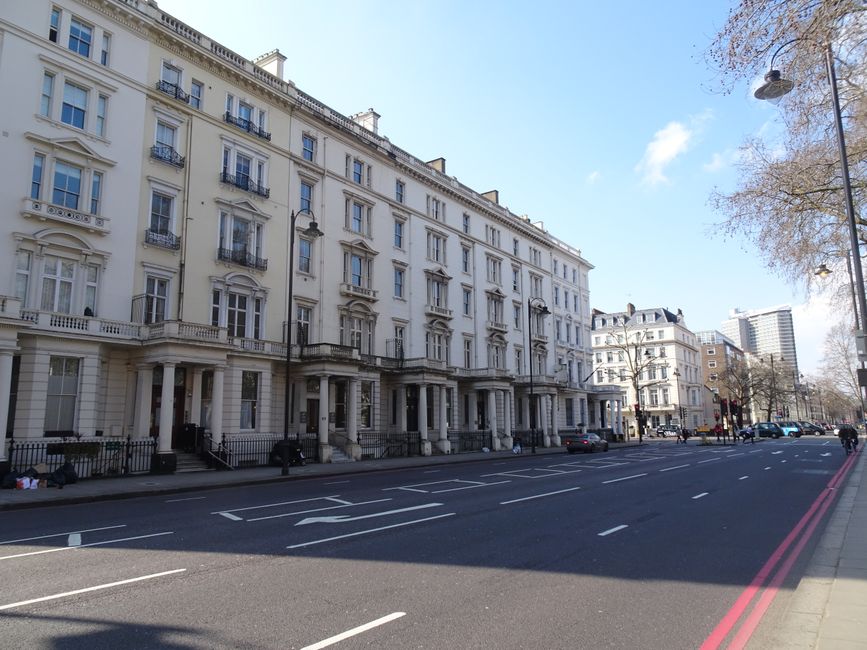
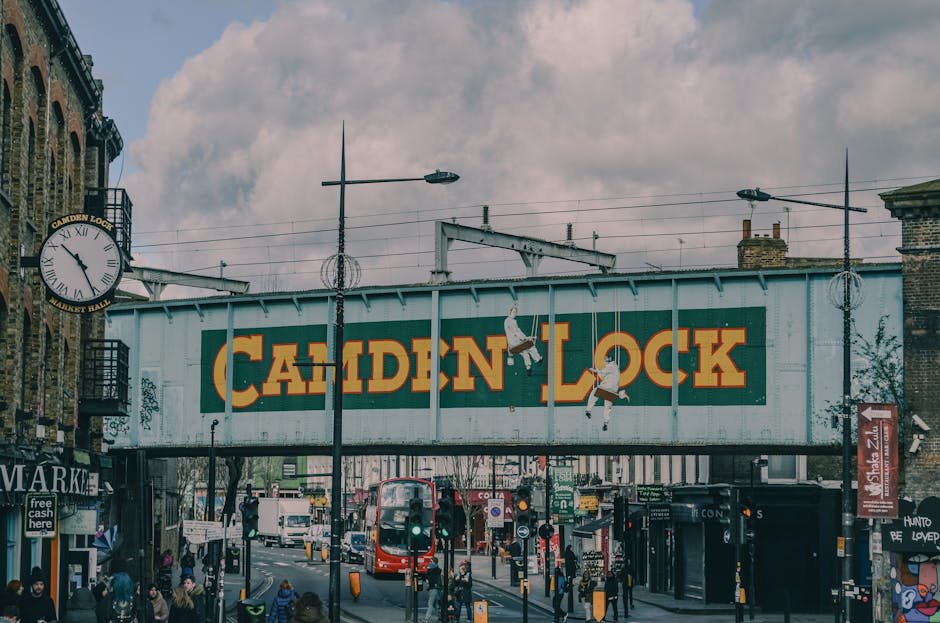
Camden, in north London, is widely known for its dense mix of transport corridors, historic streets and cultural landmarks. The borough includes areas that developed around older village cores and later nineteenth-century expansion, with streets, terraces and public buildings that reflect successive waves of urban change. Camden Town itself grew in importance after the arrival of the Regent’s Canal and railway connections, while nearby districts such as Bloomsbury and King’s Cross developed very different identities through institutions, industry, housing and commerce. The area is also notable for the scale of its educational and cultural presence, with the British Museum at the southern edge of the borough and University College London among the long-established institutions that shape the district’s character. Green spaces such as Regent’s Park, Primrose Hill and parts of Hampstead Heath provide contrast to the built-up streets, while the canal network, including the Regent’s Canal, gives the area a recognisable route through former industrial and residential land. Camden Market and its surrounding streets have become closely associated with independent retail, food stalls and music culture, yet the borough also contains quieter residential neighbourhoods with Georgian squares, mansion blocks, council estates and conservation areas. The result is a place with a layered urban identity: busy transport interchange, cultural destination, residential borough and historic London district all at once.
Deep cleaning for homes, flats and shared properties

Different property types need different levels of detail, and that is one reason deep cleaning is useful for both compact flats and larger homes. A flat may require close attention to the kitchen, bathroom and floor edges, while a house may need a wider sweep across multiple rooms and more varied finishes. Shared properties can also benefit from a thorough reset, particularly when wear is concentrated in communal spaces and high-contact surfaces. The service is best judged by the condition of the property, not by size alone.
We also support end-of-tenancy cleaning and house cleaning where a broader domestic clean is needed rather than a highly targeted deep clean. These services can overlap, but they are not identical, so it is worth describing the outcome you need instead of assuming every room should be treated the same way. If the job is time-sensitive or tied to a move, include that context when you enquire so the quotation reflects the real objective of the clean.
To keep the process simple, gather the main details, note any special surfaces and decide which rooms need the most attention. Then you can request a quotation with a clear picture of the work. If you already know that the kitchen, bathrooms or soft furnishings need the focus, say so at the outset. That gives us the best basis for a useful response and helps you compare the service on a like-for-like basis.