Primrose Hill mattress cleaning for pet owners in Camden
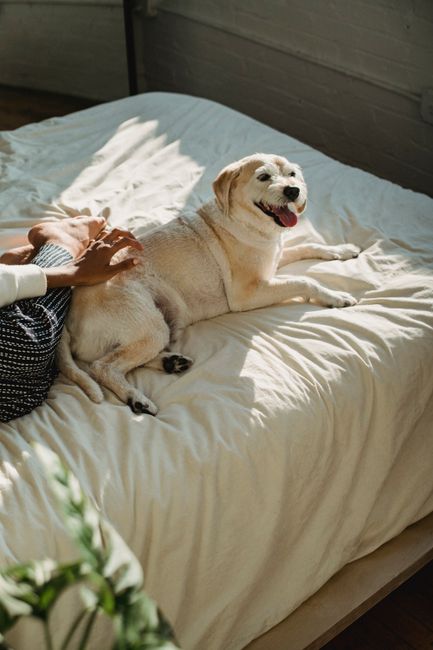
If you live in Primrose Hill and share your home with a dog, cat, or the occasional very muddy rabbit, you already know how quickly a mattress can stop feeling fresh. A damp paw print here, a late-night accident there, and suddenly the bed doesn't just need a tidy-up - it needs proper attention. Primrose Hill mattress cleaning for pet owners in Camden is really about restoring comfort, reducing odours, and dealing with the stuff that sits deeper than a quick vacuum can reach.
In this guide, we'll walk through what mattress cleaning actually involves, why it matters more for pet households, how the process works, and what to look for if you're comparing options locally. You'll also get a practical checklist, common mistakes to avoid, and a realistic view of what good results look like. No fluff. Just the useful bits.
If you're also building a broader home care routine, it can help to look at deep cleaning options or domestic cleaning support alongside mattress care, because pet homes tend to need a joined-up approach rather than one-off rescue missions.
Table of Contents
- Why Primrose Hill mattress cleaning for pet owners in Camden matters
- How mattress cleaning works
- Key benefits and practical advantages
- Who this is for and when it makes sense
- Step-by-step guidance
- Expert tips for better results
- Common mistakes to avoid
- Tools, resources and recommendations
- Law, compliance, standards, or best practice
- Options, methods, or comparison table
- Case study or real-world example
- Practical checklist
- Conclusion
- Frequently asked questions
Why Primrose Hill mattress cleaning for pet owners in Camden Matters
Pet ownership changes how a mattress behaves. That sounds oddly specific, but it's true. Hair, dander, tracked-in dust, saliva, and the occasional accident all build up over time. A mattress can look fine on the surface and still hold odours or residue underneath. In a compact Camden home, especially where bedrooms often double as storage or living space, stale smells tend to travel faster than you'd like.
For pet owners, mattress cleaning is not just about appearances. It helps create a more hygienic sleep environment and can make the whole room feel calmer and cleaner. If you've ever changed the sheets and still noticed a faint dog smell, you'll know exactly what I mean. That lingering scent is usually a clue that the mattress needs more than a surface refresh.
There's also a comfort factor. Pets shed all year round, and fibres, dust and dander settle into the layers of the mattress. Over time, that can make a bed feel less inviting. A proper clean can help restore that "fresh linen" feel people notice straight away. Small difference, big relief.
Another reason it matters in Primrose Hill and the wider Camden area is practical resale or rental value. Even if you're not moving soon, a well-kept mattress supports the wider impression of a clean, cared-for home. It's one of those hidden details that quietly says everything else is probably in order too.
How Primrose Hill mattress cleaning for pet owners in Camden Works
Good mattress cleaning usually starts with inspection. A professional will look at the fabric type, the construction of the mattress, visible stains, and any signs of moisture damage. That matters because mattresses are not all the same. Foam, pocket-sprung, memory foam, and pillow-top mattresses each need slightly different handling. You don't want an over-wet approach on a mattress that hates water. That's where things can go wrong, quite quickly.
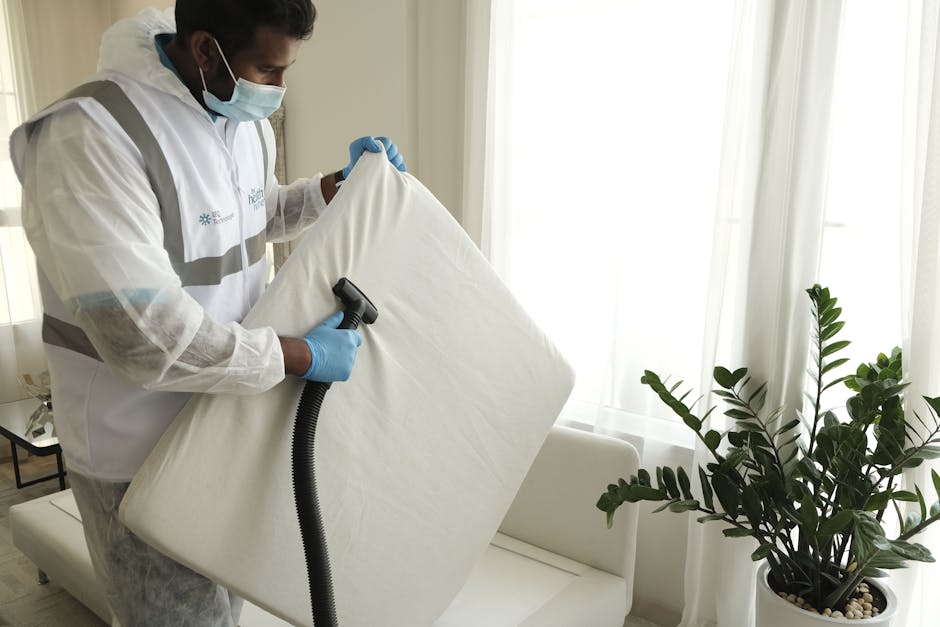
The next stage is usually dry soil removal. This often means careful vacuuming with an upholstery or mattress attachment to lift hair, loose debris, and dust from seams and tufts. Pet hair can be very stubborn - it likes to weave itself into fibres and hang around like it pays rent.
After that comes spot treatment or targeted cleaning. For pet stains, a cleaner may use a controlled amount of product designed to break down organic residue and help neutralise smell. The method depends on the stain and the mattress material. For example, a urine mark on a deep foam mattress needs different handling from a surface stain on a fabric-top mattress. No one-size-fits-all magic trick here, despite what some products claim on the bottle.
Then comes extraction or low-moisture cleaning, if appropriate. This step removes suspended dirt and cleaning solution from the surface layers. The point is not to soak the mattress; it's to clean it properly while keeping drying times manageable. In a well-ventilated Camden flat, that might mean windows open, heating at a sensible level, and enough time before the bed is remade.
Finally, the mattress should be allowed to dry thoroughly. Rushing this part is a bad idea. A mattress that feels dry on top can still hold dampness lower down, which creates a musty smell later on. Truth be told, drying is where patience pays off.
If you're planning a wider refresh, combining mattress care with sofa cleaning or upholstery cleaning can be sensible in homes where pets use the whole property, not just the bedroom.
Key Benefits and Practical Advantages
The first benefit is obvious: a fresher sleeping surface. But there's more to it than smell. A proper mattress clean can remove hair, dust and residues that build up silently over time. That can make the room feel more comfortable and easier to keep tidy overall.
Here are the practical advantages pet owners usually notice:
- Reduced pet odours, especially in warmer weather or after the heating has been on overnight.
- Less visible staining on the surface and around seams.
- Improved general freshness when changing bedding.
- Less surface hair and debris clinging to the mattress cover.
- A more pleasant sleep environment for you and guests.
There's also a mental load benefit. Pet mess has a way of sitting in the back of your mind. Even when the room looks clean enough, you may still know the mattress isn't right. Sorting it properly removes that low-level nagging feeling. And let's face it, that matters.
For landlords, tenants and homeowners alike, there's a value angle too. Keeping mattresses in good condition can extend their usable life, which is better than replacing them early. In rental homes, especially, a professional clean can help maintain standards between occupancies without unnecessary waste.
One more thing people overlook: mattress cleaning is often most effective when paired with routine home cleaning. If pet hair is everywhere, the mattress will pick it back up. A cleaner bedroom means the result lasts longer.
Who This Is For and When It Makes Sense
This service makes sense for a lot of different households in Primrose Hill and Camden, not just homes with obvious pet mess. If you live with an older pet, a puppy in training, or a cat that likes to sleep at the foot of the bed and shed silently in the night, you'll understand the slow build-up effect.
It's especially useful if:
- your mattress has absorbed pet odours over time;
- there has been a urine accident or a repeated marking issue;
- you can see hair, staining, or dark patches around the mattress seams;
- you have guests coming and want the room to feel properly fresh;
- you are moving out and want the bedroom to look well maintained;
- you or a family member are sensitive to lingering smells or dust.
It can also make sense after a period of illness, heavy shedding, or a muddy season when pets bring in more dirt than usual. Camden winters are a perfect example: wet paws, damp air, open-close-open-close front doors. The house can feel clean one minute and slightly lived-in the next. That's normal, but the mattress often takes the hit.
If your home needs a broader reset, you might also consider one-off cleaning or carpet cleaning to help tackle the parts of the home that collect the same pet-related build-up.
Step-by-Step Guidance
Here's a simple, realistic process for handling mattress cleaning in a pet household. Nothing fancy. Just the sort of method that actually works.
- Strip the bedding completely. Remove sheets, protectors, blankets and any washable covers. Bag them quickly if they're carrying pet hair so you don't spread it around.
- Vacuum the mattress carefully. Use a clean upholstery attachment and go slowly across the top, sides, seams and buttons. Seams matter more than people think.
- Check for stains and odours. Look closely in daylight. A stain that seemed tiny at night may be more widespread in morning light.
- Pre-treat problem areas. Use an appropriate treatment for the mattress material. Avoid flooding the fabric. More liquid is not better.
- Clean with the right method. Low-moisture extraction or controlled upholstery cleaning is usually safer than a soak-and-hope approach.
- Blot and lift, don't scrub aggressively. Rubbing can spread the stain or damage fibres. Gentle pressure often works better.
- Dry thoroughly. Keep air moving. Open windows if possible, use a fan if helpful, and allow proper drying time before remaking the bed.
- Protect the mattress afterwards. A washable protector helps prevent the same problem coming back next week. Pets are persistent. Admirably so, sometimes.
If you're comparing professional support, it can help to review pricing and quotes first so you understand what is included and whether treatment of pet stains or odours is part of the job.
Expert Tips for Better Results
Small details make a big difference with mattress cleaning. The best results usually come from a calm, methodical approach rather than heroic effort. In our experience, people often try too hard at the stain and end up spreading it wider. Annoying, but common.
Here are the tips that matter most:
- Act early. Fresh pet stains are much easier to manage than old, dried-in ones.
- Use as little moisture as possible. Over-wetting increases drying time and can leave a stale smell behind.
- Mind the mattress label. Some materials need special care and some need professional treatment only.
- Clean the surrounding area too. If the bed frame, headboard or nearby rug still smells, the mattress will never feel fully fresh.
- Improve airflow. Air circulation is one of the simplest ways to improve drying and reduce lingering odour.
- Keep a protector on the mattress. Honestly, this one saves headaches later.
One subtle tip that gets missed often: clean the pet's sleeping spots at the same time. If your dog regularly sleeps near the bed or on a nearby rug, odours can migrate back. Pets are like that. Loyal, affectionate, and a little bit repetitive.
Also, don't be afraid to ask about the cleaning process in plain English. A trustworthy provider should be able to explain what product types they use, how they handle pet stains, and what drying time to expect. If the explanation sounds vague, that's worth noting.
Common Mistakes to Avoid
Most mattress-cleaning problems come from rushing or using the wrong products. The good news is that these mistakes are avoidable.
- Scrubbing too hard. This can push stains deeper into the mattress and rough up the fabric.
- Using too much water. It may seem thorough, but it usually creates longer drying times and musty smells.
- Ignoring the mattress core. Surface cleaning helps, but some odours sit deeper inside.
- Putting bedding back too soon. A mattress that is still damp underneath can smell worse after being covered.
- Assuming one spray fixes everything. Pet odours often need a proper clean, not a fragrance cover-up.
- Skipping regular vacuuming. Hair and dust build-up make any later clean harder than it needs to be.
Another mistake is treating every stain as the same. Urine, drool, mud and general grime are not identical problems. They need different approaches, even if the internet would love you to believe a single miracle product can handle all of them. It can't. Sorry.
If you want the bedroom to feel genuinely reset, not just temporarily masked, pair mattress care with a broader refresh such as house cleaning or home cleaners for the rest of the living space.
Tools, Resources and Recommendations
You do not need a warehouse of specialist kit, but a few sensible tools help a lot. Whether you handle part of the process yourself or simply want to understand what a professional is doing, these are the basics.
- Upholstery vacuum attachment: ideal for hair, dust and debris around seams.
- Clean microfibre cloths: useful for blotting and gentle spot treatment.
- Mattress protector: a simple but very effective prevention step.
- Fan or good airflow: helps with drying after cleaning.
- Odour-neutralising treatment suitable for mattresses: not just a scented spray, but something that addresses residue.
If you're hiring help, choose a company that is comfortable discussing fabric care, drying expectations, and pet stain limitations. That conversation matters more than a shiny sales pitch. You want judgement, not drama.
It can also help to work with a provider that has clear operational information, such as insurance and safety details and a straightforward terms and conditions page. That does not solve every problem, of course, but it does suggest they take the work seriously.
Law, Compliance, Standards, or Best Practice
For mattress cleaning in pet homes, there usually isn't a complex legal issue for the homeowner, but there are still sensible standards to follow. Good practice matters. Safe handling matters. And if a cleaner is coming into your home, they should operate responsibly around surfaces, products and waste.
From a practical UK perspective, that means using cleaning chemicals as directed, avoiding unnecessary water damage, and taking care not to create slip hazards or leave damp materials where mould could develop. If a company has published a health and safety policy, that's often a useful sign that they think about risk properly rather than casually.
For pet households, product choice also matters. Strong-smelling chemicals can be unpleasant for pets and people alike, especially in smaller rooms. A careful cleaner should know how to balance cleaning performance with sensible ventilation and safe drying. You should never feel pressured to use aggressive methods just because they sound powerful.
There is also a broader best-practice issue around honesty. If a stain is permanent, it is better to say so clearly than to oversell a miracle result. That kind of plain speaking builds trust. In the real world, some marks fade a lot, some fade a little, and some are simply reduced rather than erased. That's normal.
If your reading of this guide is that a proper clean is overdue, that's fair. Pets make homes warmer and noisier and better in many ways, but they also add maintenance. It's the deal, really.
Options, Methods, or Comparison Table
There are a few ways to approach mattress cleaning for pet owners. The right method depends on the severity of the issue, the mattress type, and how quickly you need the room back in use.
| Method | Best for | Pros | Limitations |
|---|---|---|---|
| Vacuuming and spot treatment | Light hair, surface dust, minor marks | Quick, inexpensive, good for maintenance | Limited effect on odours or deeper residue |
| Low-moisture professional cleaning | General refresh, moderate pet use, odour reduction | Balanced cleaning and drying time, more thorough | May not remove very old or deeply set stains completely |
| Targeted stain and odour treatment | Accidents, marking, strong smells | Focused on the problem area, helpful for repeat issues | Results depend on age of stain and mattress material |
| Replacement | Severe damage, persistent mould smell, structural wear | Resets the problem fully | Most expensive option, and often unnecessary |
In practice, most pet owners in Camden do best with the second or third option. Replacement is only really sensible when the mattress is beyond salvage. A good cleaner should be able to tell you that honestly, not push you toward the most dramatic option.
For homes that need a more rounded refresh, you may also want to look at rug cleaning and carpet care support, especially if your pet uses the same pathways every day.
Case Study or Real-World Example
Picture a typical Primrose Hill flat: one bedroom, one dog, one mattress that looked "fine" until a warm evening made the smell more obvious. The owner had been changing the sheets regularly, but each time the room still carried a faint doggy odour by morning. Nothing dramatic, just enough to be annoying.
The problem turned out to be a mix of hair in the seams, a small urine incident that had been treated at home months earlier, and general build-up from the dog sleeping close to the bed. The mattress looked clean on top. Underneath, not quite.
A careful clean focused on vacuuming, controlled treatment of the affected area, and proper drying. The owner also washed the bedding, aired the room, and used a protector afterwards. The biggest change wasn't only the smell. It was the sense that the room felt reset. Lighter, if that makes sense. Less like "pet home with a bed" and more like an actual bedroom again.
That kind of result is what most people are really after. Not perfection. Just a clean, comfortable bed that no longer announces last month's dog mishap every time you walk in.
Practical Checklist
Before you book, or before you try to tackle the mattress yourself, run through this checklist. It saves a lot of guesswork.
- Identify the main issue: hair, odour, stain, dampness, or all four.
- Check the mattress label if you can.
- Remove all bedding and wash it separately.
- Vacuum the mattress top, sides and seams.
- Inspect both sides if the mattress is double-sided.
- Decide whether the issue is light maintenance or a deeper clean.
- Make sure the room has enough ventilation for drying.
- Protect the mattress afterwards with a washable cover.
- Clean nearby soft furnishings if they also hold pet smell.
- Ask for a clear explanation of drying time before the job starts.
Expert summary: The best Primrose Hill mattress cleaning for pet owners in Camden is the one that removes hair, odour and residue without soaking the mattress, leaving it genuinely dry and comfortable to sleep on.
If you are comparing providers, it's sensible to check how they handle payments and security too. A page like payment and security can give useful reassurance before you go ahead.
Conclusion
Primrose Hill mattress cleaning for pet owners in Camden is one of those jobs that quietly improves daily life. You may not think about it much until the bed starts holding onto smells, hair, or old marks. Then it becomes impossible to ignore. The good news is that with the right method, most mattresses can be brought back to a much fresher, more comfortable state.
The key is not to rush, not to over-wet the mattress, and not to assume a scented spray has solved the issue. A proper clean, sensible drying, and a mattress protector afterwards usually go a long way. Add a little regular maintenance and the results last much longer than people expect.
Get a free quote today and see how much you can save.
And if you want a local team that understands the realities of pet homes in Camden, it helps to work with a company that treats the job with care, not shortcuts. A cleaner bed is nice. A calmer home, even better.
Frequently Asked Questions
How often should pet owners get a mattress professionally cleaned?
For most pet owners, once or twice a year is a sensible starting point, though homes with frequent accidents, heavy shedding or stronger odours may need attention more often.
Can mattress cleaning remove dog urine smell completely?
Sometimes yes, sometimes partially. It depends on how old the stain is, how deep it went, and what the mattress is made from. Fresh accidents are far easier to deal with than old ones.
Is it safe to clean a memory foam mattress?
Yes, but it needs care. Memory foam should not be soaked. Low-moisture methods and proper drying are important so the internal layers do not hold damp.
Will cleaning remove pet hair from the mattress?
It should remove most of it, especially when vacuuming and seam cleaning are done properly. A protector afterwards helps stop hair from embedding again so quickly.
What should I do immediately after a pet accident on the bed?
Blot the area gently, remove all bedding, and avoid scrubbing hard. The quicker you deal with it, the better the chance of reducing odour and staining.
How long does a mattress take to dry after cleaning?
Drying time varies by method, room ventilation and mattress thickness. A cleaner should explain the expected drying window before starting, and the mattress should be fully dry before use.
Can I use supermarket stain removers on my mattress?
Sometimes, but not always. Some products are too wet or too harsh for certain fabrics. Always check compatibility first, especially if the mattress has a delicate cover.
Is professional mattress cleaning worth it for one-off pet accidents?
Often yes, especially if the stain is large, the smell has settled in, or you do not want to risk damaging the mattress with an over-enthusiastic home treatment.
What else should I clean if my pet sleeps in the bedroom?
Rugs, upholstery, bed frames and nearby carpets can all carry the same odours and hair. Cleaning those areas too usually gives a much better long-term result.
Does mattress cleaning help with allergies?
It can help reduce dust, hair and dander build-up, which may make the room feel fresher. That said, it is not a medical treatment, and results vary from home to home.
How can I keep the mattress fresher after cleaning?
Use a washable protector, vacuum the mattress regularly, keep pets' sleeping spots clean, and wash bedding frequently. Small habits make a surprisingly big difference.
Should I choose mattress cleaning before moving out of a flat?
Yes, especially if pets have used the bed. It can help the property feel well cared for and may avoid complaints about lingering smell or visible marks.