Health and Safety Policy for Deep Cleaning Camden
 Deep Cleaning Camden services are carried out with a clear commitment to protecting the health, safety, and wellbeing of clients, staff, and anyone who may be affected by the work. This policy sets out the standards expected during every project, from preparation through to completion, and applies to all deep cleaning services delivered in homes, offices, and shared environments. Our approach is based on careful planning, sensible controls, and consistent training, so that every cleaning task is completed safely and professionally.
The purpose of this health and safety policy is to reduce risks before work begins and to respond quickly if conditions change. Deep cleaning can involve working with strong detergents, moving equipment, handling waste, and cleaning areas that may contain hidden hazards. Because of this, every deep clean is assessed in advance to identify any possible risks, including slips, trips, exposure to chemicals, manual handling issues, and the presence of sharps or biological contamination. By taking a proactive approach, we aim to make each deep clean as safe as it is effective.
All cleaning operatives are expected to follow a standard of conduct that supports safe working at all times. This includes using equipment correctly, wearing suitable personal protective equipment, and following instructions for dilution, application, and disposal of cleaning products. Deep cleaning Camden teams must never assume a space is safe without checking it first. If a room, surface, or item appears unstable, contaminated, or unsuitable for cleaning, work must pause until the issue is assessed and appropriate action is taken.
Responsibilities and Safe Working Practices
Everyone involved in a deep cleaning project has a role in maintaining a safe environment. Supervisors are responsible for ensuring that staff are competent, briefed on the job, and provided with the correct tools and protective equipment. Operatives are responsible for working carefully, reporting hazards promptly, and following agreed procedures. Clients or occupiers are expected to inform the cleaning team of any known risks, such as damaged flooring, exposed wiring, restricted access, or areas where vulnerable materials may be present.
Deep cleaning services Camden are planned with safety controls appropriate to the environment. For example, where cleaning involves wet floors, warning signs should be positioned to reduce the risk of slips. Where lifting or moving items is necessary, team members should use safe manual handling techniques and ask for assistance when needed. Equipment should be checked before use, stored safely when not in service, and maintained in good condition. Faulty items must be removed from use immediately.
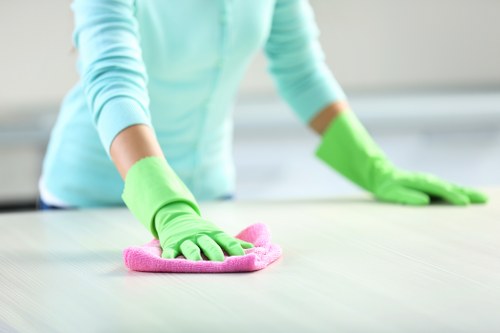 Cleaning chemicals must be stored, diluted, and applied in line with product instructions and hazard information. Whenever possible, less hazardous products should be chosen first. Ventilation should be maintained during use, especially in enclosed spaces, to reduce the build-up of fumes. Staff should avoid mixing products unless this has been specifically approved, as certain combinations can produce dangerous reactions. Careful product management is a key part of Camden deep cleaning work, particularly where high-performance products are required for stubborn dirt or sanitising tasks.
Risk Assessment, PPE, and Incident Control
Every deep cleaning assignment should begin with a suitable risk assessment. This does not need to be complicated, but it must be thorough enough to identify hazards, evaluate who may be harmed, and outline the precautions that will be used. Different properties will present different risks, so a flexible approach is essential. A deep cleaning Camden policy must recognise that one site may involve minor housekeeping issues, while another may require enhanced controls due to contamination, clutter, or difficult access.
Personal protective equipment, or PPE, is provided where necessary and must be worn correctly. This may include gloves, masks, eye protection, aprons, or slip-resistant footwear depending on the task. PPE should be selected to match the risk rather than used as a replacement for safe methods of work. Staff must know how to put PPE on, remove it, and dispose of or clean it safely. Damaged or contaminated PPE should never be reused. 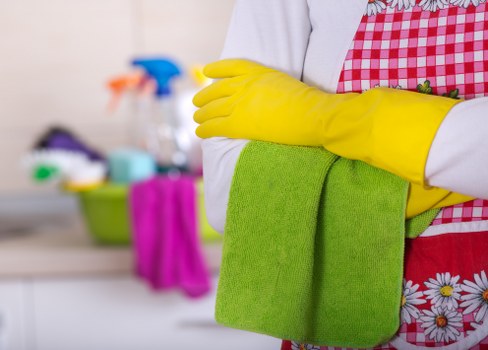 Good housekeeping also supports safer cleaning by keeping walkways clear, managing waste efficiently, and preventing unnecessary obstruction.
If an incident, near miss, or unsafe condition occurs, it should be reported immediately and recorded according to internal procedures. Examples include accidental exposure to chemicals, cuts from sharp objects, slips on wet floors, or discovering hazardous waste. A prompt response helps limit harm and supports better decision-making in future jobs. In the event of serious injury or danger, the area should be made safe, first aid sought if needed, and emergency procedures followed without delay. This is central to responsible deep cleaning services and demonstrates a strong safety culture.
Training, Hygiene, and Environmental Care
Training is a core part of this policy. Staff must be instructed in safe cleaning methods, use of equipment, chemical awareness, infection control, and emergency procedures. Refresher training should be provided regularly so that skills remain current and consistent. Supervisors should also check that tasks are being completed in line with the policy and that any new hazards are communicated clearly. In a busy service environment, ongoing awareness is essential for maintaining safe and reliable Camden deep cleaning services.
Hygiene standards must be upheld throughout every stage of work. This includes handwashing, avoiding cross-contamination, separating dirty and clean materials, and using colour-coded cloths or tools where suitable. When cleaning bathrooms, kitchens, or other high-use areas, extra care should be taken to prevent spreading contamination from one surface to another. Waste should be bagged, sealed, and removed safely. Any materials that may be contaminated must be handled with caution and disposed of according to the nature of the waste.
Environmental responsibility is also part of safe practice. Products should be used efficiently to minimise waste, and reusable items should be cleaned and maintained so they remain safe for future use. Water and energy should be used sensibly where possible. A well-managed deep cleaning Camden policy does not only protect people; it also promotes orderly, efficient, and sustainable working methods that support long-term service quality.
Review and Continuous Improvement
 This policy is reviewed regularly to make sure it remains effective and suitable for the types of work undertaken. Updates may be made following changes to equipment, cleaning products, work methods, or legal expectations. Feedback from incident investigations, supervision, and routine inspections should be used to strengthen procedures. The aim is not simply to meet minimum standards, but to build a culture where safety is part of every decision.
All staff are expected to cooperate with the policy and to treat safety as a shared responsibility. When everyone follows the same clear approach, deep cleaning Camden projects can be completed with confidence, care, and professionalism. Safe work supports better results, reduces disruption, and helps protect the wellbeing of everyone involved.
 In summary, this health and safety policy provides the foundation for reliable, controlled, and conscientious deep cleaning services Camden. By assessing risks, using equipment correctly, handling chemicals with care, and maintaining strong hygiene standards, the service can remain both thorough and safe. Ongoing review and staff awareness ensure that each deep clean is delivered to a high standard while keeping health and safety at the forefront of operations.