NW1 end of tenancy cleaning for Mornington Crescent flats
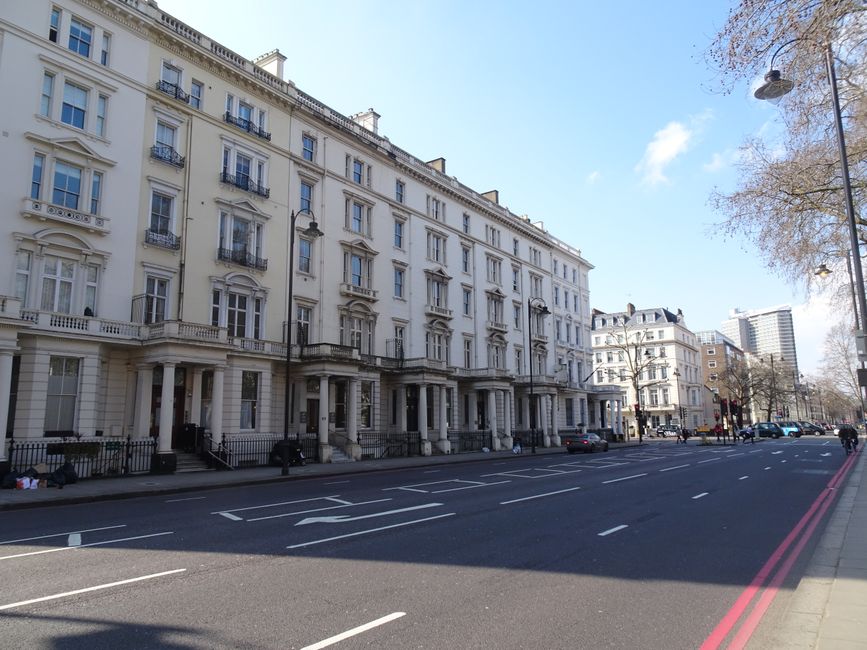
Moving out of a flat in Mornington Crescent can feel oddly chaotic. Boxes everywhere, keys to hand back, a final sweep of the kitchen, and that nagging thought in the back of your mind: will the place pass inspection? That is exactly where NW1 end of tenancy cleaning for Mornington Crescent flats comes in. It is the difference between a rushed tidy-up and a proper move-out clean that stands up to landlord or letting agent expectations.
In this guide, we break down what the service involves, why it matters in NW1, how it is usually carried out, and what you can do to avoid the common mistakes that lead to deductions. If you are in a converted period property near the station, a compact modern flat, or a shared rental with a few too many "I'll deal with that later" corners, this article will help you get organised. And yes, the oven counts. Always the oven.
Why NW1 end of tenancy cleaning for Mornington Crescent flats Matters
End of tenancy cleaning is not just about making a place look presentable. It is about returning a rented flat to a condition that is clean, orderly, and ready for the next person to move in. In Mornington Crescent, where many properties are compact, busy, and lived in hard, small issues stand out fast. Dust on skirting boards, limescale on taps, grease on splashbacks, and carpet marks in a narrow hallway can all become very visible during the final inspection.
That visibility matters. Letting agents and landlords tend to assess flats room by room, often with a clipboard, a phone torch, or a very determined look at window frames. If a property feels only half-finished, it can trigger follow-up cleaning requests, delays in checkout, or a dispute about the deposit. Nobody wants that on a moving day that already feels long enough.
Mornington Crescent flats also come with their own practical quirks. Some have older sash windows and decorative trim that collect dust. Others have modern fittings with lots of gloss surfaces that show fingerprints immediately. Some kitchens are small but heavily used, which means cooking residue builds up in awkward places. The point is simple: a standard weekly clean usually is not enough. A proper move-out clean needs more detail, more time, and a more methodical approach.
Expert summary: The best move-out cleans are not the ones that look shiny in one room and rushed in another. They are the ones that leave no easy objection points behind: no crumbs, no grease, no dust lines, no overlooked corners, and no "we'll come back to that" moments.
If you want broader support with a thorough property clean, the service pages for end of tenancy cleaning and deep cleaning are useful starting points for understanding the level of detail involved.
How NW1 end of tenancy cleaning for Mornington Crescent flats Works
A proper end of tenancy clean usually follows a room-by-room and top-to-bottom pattern. That is not glamorous, but it works. The cleaner starts high with dusting and cobweb removal, then moves down to reachable surfaces, fixtures, and hidden edges, before finishing with floors. In a flat, that sequence helps prevent dust from falling onto already cleaned areas. It sounds basic, but many missed spots happen because people clean in the wrong order.
In practical terms, a service for a Mornington Crescent flat often includes the kitchen, bathroom, bedrooms, living areas, hallways, and internal glass where relevant. The kitchen normally takes the longest because of appliances, extractor fans, cupboard fronts, the hob, the sink, and the inside of the oven. Bathrooms are usually the next demanding area because of limescale, soap residue, mirror smears, and taps that somehow collect water marks the minute you stop looking at them.
Depending on the property, add-ons may be needed. For example, if the flat has carpeted bedrooms, carpet cleaning may be helpful for worn traffic lines or lingering odours. If there is a tired sofa or upholstered chair left behind by the landlord or a previous tenant, upholstery cleaning can make a noticeable difference. And for stubborn kitchen residue, especially in small NW1 flats where cooking has happened in a tight space for months, oven cleaning can be the make-or-break detail.
Most professional cleans are scheduled after the flat has been emptied. That matters because empty rooms let the cleaners reach the spots you never quite notice while living there: behind radiators, under units, around skirting, and along the edges of rooms. If you leave furniture in place, the result can still be good, but it will not usually be as complete. Truth be told, a half-empty flat is much easier to clean than a half-packed one.
Key Benefits and Practical Advantages
There are several reasons tenants in Mornington Crescent choose a specialist move-out clean rather than trying to handle everything themselves on the last night.
- Better handover results: A focused end of tenancy clean is designed around inspection standards, not just appearance.
- Less stress: Moving is already noisy and messy. Hiring help reduces the load when your brain is juggling keys, removals, and address changes.
- Time saved: What might take you a whole weekend can often be handled more efficiently by a team with the right products and routine.
- More consistent detail: Professionals are more likely to catch things like cupboard tops, taps, extractor fans, and grout edges that tenants often miss.
- Better chance of avoiding deductions: While no one can promise a deposit outcome, a proper clean removes one of the most common causes of dispute.
There is also a psychological benefit that people underestimate. Walking out of a flat you have lived in for a year or more and seeing it properly cleaned has a way of closing the chapter. You leave in a better state of mind. Not a bad feeling, honestly.
For tenants comparing options, it helps to understand the difference between a standard tidy-up and a more detailed one-off cleaning visit. One is maintenance. The other is reset.
Who This Is For and When It Makes Sense
This service is for anyone leaving a rented flat in or around Mornington Crescent who wants the property returned in a genuinely clean condition. That includes:
- tenants moving out at the end of a fixed-term tenancy
- flat sharers dividing the final responsibilities fairly
- students or young professionals leaving smaller NW1 lets
- families relocating and needing the old place cleaned before checkout
- landlords preparing a flat for the next occupier
- letting agents arranging a turnaround between tenancies
It makes sense when the flat has built-up grime that a normal weekly clean will not solve. It also makes sense if you simply do not have the time, tools, or patience to scrub a hob, descale a bathroom, and detail a fridge after everything else has been boxed up. Let's face it, by moving day most people are running on tea, snacks, and stubbornness.
If the property has worn carpets, heavy kitchen use, or neglected windows, then combining the move-out clean with targeted services can be sensible. For example, window cleaning can help with first impressions in flats with more glass, while cleaners or a wider cleaning company service may be useful if you need more than a basic checkout clean.
Step-by-Step Guidance
If you are planning NW1 end of tenancy cleaning for Mornington Crescent flats, a structured approach saves time and avoids chaos. Here is the clearest way to do it.
- Read the tenancy agreement and checkout expectations. Look for any wording about professional cleaning, carpet care, or appliance condition. Do not assume every landlord wants the same thing.
- Empty the flat completely. Take out belongings, food, bin waste, and anything stored in cupboards. Cleaning around clutter wastes time and misses details.
- Defrost and switch off appliances early if needed. Fridges and freezers need time. A frozen appliance on the day of cleaning is a bit of a mood killer.
- Start with dust and cobwebs. Work from ceilings and corners down to switches, shelves, and ledges.
- Deal with the kitchen methodically. Clean cupboard exteriors and interiors, splashbacks, sinks, taps, hob, oven, extractor, and any visible grease marks.
- Focus on the bathroom. Tackle limescale, soap scum, grout lines, mirrors, toilet bases, and shower screens.
- Finish with floors. Vacuum first, then mop or machine-clean depending on the surface.
- Inspect in natural light. Morning or late-afternoon daylight often reveals what artificial lighting hides.
- Photograph the finished rooms. If there is any later question about condition, you will be glad you did.
A practical note: if the flat has hard surfaces throughout, a specialist hard floor cleaning service may be worth considering for built-up dullness or scuffs. And if the property includes rented furniture, don't forget the soft furnishings. They quietly collect more than people realise.
Expert Tips for Better Results
Small details often make the biggest difference. In our experience, the jobs that pass smoothly are usually the ones where someone thought about the final inspection before moving day itself.
- Use a dry microfibre first, then a damp clean. This reduces streaking on mirrors, shelves, and gloss fronts.
- Open cupboards and drawers fully. The inside edges and handles are easy to miss.
- Do not ignore light switches and door frames. Fingerprints and grime collect there quietly.
- Treat the oven as its own task. A quick wipe is rarely enough. Burnt residue needs time and the right approach.
- Check behind bathroom pipes and around the toilet base. Those spots are routinely overlooked.
- Work in good daylight if possible. A flat that looks fine at 7 p.m. can look very different the next morning.
- Leave enough drying time. Damp floors or wet surfaces during checkout look unfinished, even if the work is otherwise excellent.
Another little thing: if the flat sits in a busy part of NW1 and the windows have been open a lot, dust can return quickly. Clean windows near the end, not the beginning. That way you are not polishing panes only to see fresh marks 20 minutes later. A small thing, but it matters.
If you are comparing support options, it may help to look at broader domestic cleaning for ongoing upkeep, or a more targeted deep cleaning approach when the flat needs more than surface-level attention.
Common Mistakes to Avoid
The most common move-out cleaning mistakes are usually not dramatic. They are small, believable oversights that build into a failed inspection. Annoying, but avoidable.
- Leaving cleaning until the final evening. That is how tasks get rushed and corners get skipped.
- Cleaning around furniture. It leaves dust lines and hidden dirt behind.
- Forgetting appliances. Fridges, ovens, microwaves, and extractor fans are frequent trouble spots.
- Using the wrong product on delicate surfaces. Harsh chemicals can damage matte fittings, sealed stone, or floor finishes.
- Ignoring limescale. It shows up badly in bathrooms and kitchens, especially around taps and shower glass.
- Not checking vents, skirting, and corners. These are the places inspectors often glance at first.
- Assuming one cloth is enough. Different rooms need different tools and different levels of detail. A single all-purpose wipe is fine for a lunch table, not for a full tenancy handover.
There is another one worth mentioning: skipping carpets because they "look fine." Sometimes they do look fine, until the light shifts and you notice a traffic path running through the middle of the room. If that sounds familiar, carpet cleaning can be a smart add-on.
Tools, Resources and Recommendations
If you are handling any part of the clean yourself, the right tools make a big difference. You do not need a van full of equipment, but you do need the basics done properly.
- microfibre cloths for dusting and polishing
- a vacuum with attachments for edges, corners, and upholstery
- a mop suitable for the flooring in the flat
- non-abrasive bathroom cleaner for taps, tiles, and glass
- degreaser for kitchen surfaces and the hob
- oven cleaner or professional oven support where needed
- gloves, bin bags, and a simple checklist
For some flats, specialist help is just more efficient than trying to improvise. If you are dealing with fabric furniture, explore sofa cleaning or rug cleaning where appropriate. If the property has been neglected for a while, a more comprehensive one-off cleaning visit can be a good bridge between a basic tidy and a full tenancy clean.
For quote and planning decisions, it is sensible to review pricing and quotes so you understand what is included before booking. If you want reassurance around safety and trust, the pages on insurance and safety and health and safety policy are also worth a look.
Law, Compliance, Standards or Best Practice
For tenants, the main point is straightforward: return the property in the condition required by the tenancy agreement, allowing for fair wear and tear. That phrase matters. Normal ageing, light scuffing, and everyday use are not the same thing as avoidable dirt or neglect. A clean flat should look genuinely cared for, not brand new.
For landlords and agents, best practice is to be clear about expectations before checkout. Vague instructions create disputes. A good approach is to define whether the property should be professionally cleaned, whether carpets must be shampooed, whether appliances must be fully cleaned inside and out, and whether any inventory report will be used at the end. Clear expectations help everyone. Simple, really.
It is also wise to think about access, storage, and safety. Cleaners working in a compact NW1 flat may need room to move equipment safely, especially in narrow hallways or small bathrooms. In practical terms, that means keeping walkways clear, notifying neighbours if noise or shared access is an issue, and ensuring there are no hazards left behind like loose items, broken glass, or unstable furniture.
If you are using a professional service, check that the provider communicates transparently about what the clean covers, what happens if extra work is needed, and how issues are handled afterwards. Pages such as terms and conditions and complaints procedure can be useful for understanding those basics. It may sound dull, but boring paperwork is better than a stressful dispute later on.
Options, Methods, or Comparison Table
Not every flat needs the same level of support. Here is a simple comparison to help you decide what fits best.
| Option | Best for | Pros | Limitations |
|---|---|---|---|
| DIY end of tenancy clean | Very tidy flats with light use | Lowest direct cost, full control over timing | Time-consuming, easy to miss detail, tiring after a move |
| Partial professional help | Flats with one or two difficult areas | Useful for ovens, carpets, or upholstery | Still leaves a lot for you to complete |
| Full end of tenancy cleaning | Most Mornington Crescent flats at checkout | More consistent, inspection-focused, less stressful | Needs booking and budget planning |
| Deep clean plus add-ons | Properties with extra wear, pets, or heavy cooking | Best for stubborn dirt and detail work | Can take longer and cost more than a standard clean |
As a rule of thumb, if the flat has been occupied for a long time, has carpets, or has a kitchen that has seen daily cooking, a full professional clean usually makes more sense than piecemeal cleaning. On the other hand, if you have already kept the place immaculate, a lighter support package may be enough.
Case Study or Real-World Example
Here is a realistic example. A one-bedroom flat near Mornington Crescent station is due for checkout on a Friday afternoon. The tenant has packed most belongings, but the kitchen has accumulated baked-on residue, the bathroom glass is cloudy, and the carpet in the living room shows a visible walking path. The tenant originally planned to handle everything in one late-night push after the removal van left.
Instead, the clean was split into sensible stages. Appliances were dealt with first, the bathroom was descale-heavy but straightforward, and the carpet was cleaned after vacuuming and surface dusting. Window sills, handles, and skirting were then checked in daylight the following morning. That last step mattered more than expected. Two tiny marks near a bedroom door frame were spotted and removed before handover.
The lesson is not that every flat needs a huge production. It is that a calm, staged clean usually beats an exhausted last-minute scramble. The place does not need to sparkle like a showroom. It needs to look properly finished. That is a different thing, and people can tell.
For flats with more worn textiles or soft furnishings, pairing the clean with carpets cleaner support or broader home cleaners help can make checkout less stressful, especially when there is a lot to manage in one day.
Practical Checklist
Use this checklist before you hand the keys back. It is simple, but it catches the things that are easiest to forget.
- all belongings removed from every room, cupboard, and drawer
- rubbish and leftover food taken out
- fridge, freezer, oven, hob, and extractor cleaned
- bathroom limescale, mirrors, taps, and grout checked
- window ledges, frames, and internal glass wiped down
- skirting boards, doors, handles, and switches cleaned
- carpets vacuumed and treated where needed
- hard floors mopped and dried properly
- all light fittings and vents dusted
- final inspection done in natural light if possible
- photos taken after the clean
- keys, access instructions, and checkout details ready
Quick reminder: the clean should feel finished, not just done. That difference is subtle, but it matters at checkout.
Get a free quote today and see how much you can save.
Conclusion
NW1 end of tenancy cleaning for Mornington Crescent flats is really about control at a busy moment. You may not be able to control the move, the lift being slow, the weather, or the timing of the inventory clerk, but you can control how well the flat is prepared. And that preparation pays off in peace of mind.
Whether you need a full move-out clean, a targeted oven refresh, carpet attention, or just a bit of structure so the final week does not run away from you, the right plan makes the process easier. Keep it practical, keep it thorough, and do not leave the awkward bits until the last hour. A calm handover is worth the effort.
If you are ready to take the next step, choose the level of help that matches the condition of the flat and your moving timeline. Then let the final clean do what it should do: quietly make everything easier.
Frequently Asked Questions
What is included in NW1 end of tenancy cleaning for Mornington Crescent flats?
It usually includes detailed cleaning of the kitchen, bathroom, bedrooms, living areas, hallways, internal glass, skirting, doors, switches, and floors. The exact scope depends on the flat and the agreement.
Do I need professional end of tenancy cleaning to get my deposit back?
Not always, but the property does need to meet the condition required by the tenancy agreement and inventory. A professional clean can reduce the risk of deductions if the flat is in a typical lived-in condition.
How early should I book a move-out clean in Mornington Crescent?
As early as you can. Once you have a moving date and checkout window, booking becomes much easier. Last-minute slots are possible sometimes, but planning ahead removes a lot of pressure.
Can the clean be done while I am still packing?
It can, but it is not ideal. The best results usually come after the flat has been cleared, because cleaners can access hidden areas and work more efficiently.
What if the flat has carpets or upholstery that need extra attention?
Then you may want to add carpet cleaning or upholstery cleaning to the job. Soft furnishings often hold dirt, marks, or odours that basic surface cleaning will not remove.
Is oven cleaning usually part of the service?
Often yes, but it depends on the exact package. The oven is one of the most checked items in a checkout clean, so it is worth confirming in advance.
How long does end of tenancy cleaning take in a flat?
It varies by size, condition, and add-ons. A small, tidy flat will take less time than a larger place with heavy kitchen use or carpet stains.
What areas in Mornington Crescent flats are most commonly missed?
Commonly missed areas include behind radiators, inside cupboards, on top of door frames, around taps, extractor fans, skirting boards, and the edges of floors.
What is the difference between deep cleaning and end of tenancy cleaning?
Deep cleaning is broader and can be used for a thorough reset at any time. End of tenancy cleaning is more specific: it is aimed at final handover conditions before moving out.
Should I clean windows as well?
Yes, if the tenancy agreement or inspection expectations make them relevant. Clean windows and sills can improve the overall finish, especially in brighter flats where dirt is easy to spot.
Can a cleaner help if the flat has been neglected for a while?
Yes, though the job may need more time and may move beyond a standard checkout clean. In heavier cases, a deeper service or a one-off clean is often the better fit.
How do I know which service level to choose?
Look at the flat's condition honestly. If it is only lightly used, a standard end of tenancy clean may be enough. If there is heavy cooking residue, worn flooring, or marked upholstery, choose a more comprehensive option.