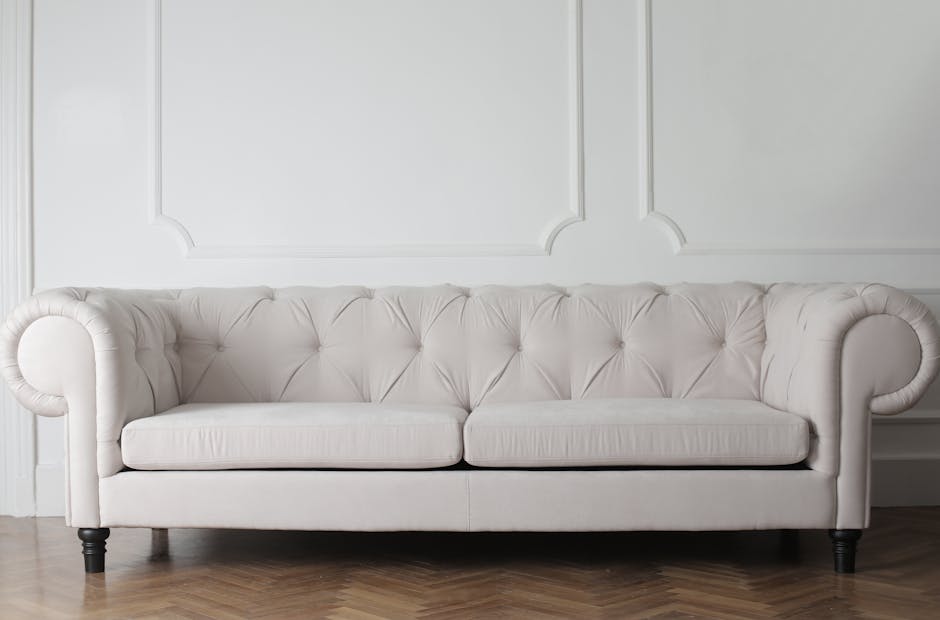
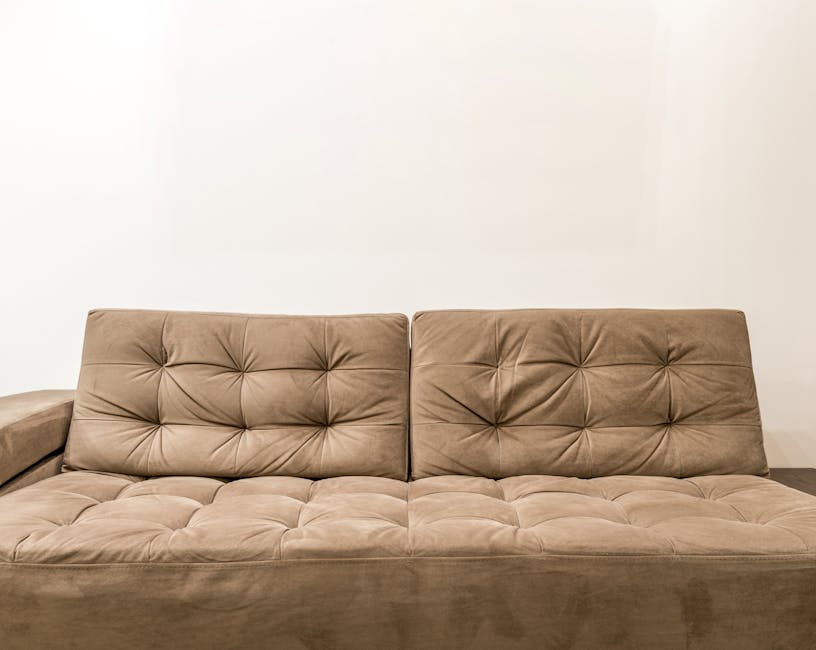
Chalk Farm upholstery cleaning and stain removal service: a practical guide to cleaner furniture and longer-lasting fabrics
If your sofa has picked up a coffee mark, the armchair looks tired by the window, or a dining bench has one stubborn stain that keeps catching your eye, you are not alone. A Chalk Farm upholstery cleaning and stain removal service is about more than making furniture look nicer for a day or two. It helps lift embedded dirt, reduce odours, and protect fabrics so your home feels fresher and more cared for. In a busy London home, that matters. It really does.
This guide explains how upholstery cleaning works, what stain removal can and cannot do, when to book a professional, and how to avoid common mistakes that make marks worse. You will also find a simple checklist, a comparison table, and a realistic example so you can decide what makes sense for your furniture without guesswork.
Why Chalk Farm upholstery cleaning and stain removal service Matters
Upholstery takes a beating in ways people often overlook. Cushions hold onto skin oils, fabric arms collect hand contact, crumbs work deep into seams, and the occasional spill can travel farther than you expect. By the time a mark looks obvious, there is usually more going on beneath the surface than the eye can see.
That is why a proper upholstery cleaning service matters. It is not just about "spot cleaning" the visible stain. It is about treating the whole piece of furniture in a way that respects the fabric type, the filling, the colour, and the risk of shrinkage or water marks. With the wrong product or too much moisture, you can end up with a bigger problem than the one you started with. Annoying, but common.
In Chalk Farm homes, furniture tends to work hard. Flats are compact, living rooms are shared spaces, and sofas often double as offices, reading corners, and snack stations. A single stained seat can make the whole room feel messy. Clean upholstery changes that fast. It can brighten the space, reduce that faint stale smell that builds up over time, and make a room feel properly lived-in rather than neglected.
There is also a practical side. If you are preparing for guests, moving out, or simply trying to care for good furniture for longer, timely cleaning can help slow down wear. It is a sensible maintenance step, not a luxury add-on. To be fair, most people wait until a spill becomes impossible to ignore. That is understandable. But earlier treatment is usually easier, safer, and cheaper than trying to rescue a fabric after months of build-up.
For broader home care, some people combine upholstery work with deep cleaning or book related services such as sofa cleaning and rug cleaning when the whole room needs attention rather than a single item.
How Chalk Farm upholstery cleaning and stain removal service Works
A good upholstery cleaning process usually starts with identification. Fabric composition matters a lot. A cotton blend, wool mix, velvet, polyester, linen, or synthetic upholstery can all react differently to water, agitation, and cleaning chemistry. The technician should assess the manufacturer's care label where available, test a small hidden area, and decide whether the item needs a low-moisture method, a deeper extraction clean, or targeted stain treatment.
Here is the basic flow you can expect:
- Inspection and fibre check - the cleaner looks at the fabric type, level of soiling, and any stains, odours, or wear points.
- Dry soil removal - crumbs, dust, and loose particles are removed first, often by vacuuming and detail brushing.
- Pre-treatment - stains are identified and treated with suitable products matched to the mark, not guessed at randomly.
- Agitation or dwell time - the solution is given time to break down the stain or embedded grime.
- Cleaning and extraction - depending on the fabric, a controlled clean lifts soil and residue from the fibres.
- Rinse or neutralise - residues are reduced so the fabric does not feel sticky or attract dirt again.
- Drying guidance - cushions may be arranged to dry evenly, and the client is told how long to wait before regular use.
Stain removal is a little more surgical. A red wine splash, makeup transfer, tea mark, oily food stain, or ink trace each behaves differently. Heat, friction, and the wrong chemical can set a stain deeper. So the goal is not brute force. The goal is controlled chemistry and patient technique. A bit boring, perhaps, but that is what works.
There is also a difference between removing the stain and reducing its appearance. Some marks, especially older dye-based stains or bleached patches, cannot be erased completely because the fabric itself has changed. A trustworthy cleaner will say that plainly rather than promising miracles. That honesty matters.
Key Benefits and Practical Advantages
The most obvious benefit is a cleaner-looking sofa or chair. That part is easy to see. But the real value often shows up in smaller ways across the week.
- Better appearance - colours look fresher, marks are reduced, and the furniture stops looking "tired".
- Improved hygiene - upholstery can hold dust, skin flakes, and everyday grime, especially in busy households.
- Odour reduction - food smells, pet odours, and general stuffiness can be noticeably reduced.
- Fabric care - correct cleaning helps extend the usable life of your furniture.
- More comfortable living space - a clean sofa simply feels nicer to sit on. You notice it immediately.
- Better impression for guests or tenants - useful before viewings, move-out checks, or family visits.
- Targeted stain treatment - specific marks are handled with more care than a general household spray can give.
There is another quieter benefit too: peace of mind. A stain can nag at you every time you walk into the room. Once it has been treated properly, that background annoyance disappears. Small thing, but it adds up.
If your furniture is part of a bigger cleaning plan, you might also look at domestic cleaning or a one-off refresh through one-off cleaning when the whole property needs a reset rather than a single treatment.
Who This Is For and When It Makes Sense
This service is useful for many different people, not just households with obvious spills. In fact, some of the best results come when people book before things get too far gone.
You are likely a good fit if:
- your sofa or chair has visible stains, dull patches, or traffic marks;
- you have pets and want to manage odours, paw marks, or hair build-up;
- someone in the home has allergies or sensitivity to dust and residues;
- you are moving home and want furniture to look better for handover or new arrival;
- you run a small office, salon, or consultation space where upholstered seating gets regular use;
- you have inherited, bought, or restored a second-hand piece that needs a proper refresh;
- you simply want to maintain a good-quality item rather than replacing it too early.
It also makes sense after small accidents that seem harmless at first. A bit of juice on the armrest. Sauce on the corner of the cushion. Mud from a wet coat. These things look minor in the moment, then dry awkwardly and become stubborn. We have all been there.
For landlords and tenants, upholstery care often sits alongside end of tenancy cleaning. For businesses, seating maintenance may be combined with office cleaning or a visit from office cleaners when presentation matters.
Step-by-Step Guidance
If you are planning a professional clean, it helps to know how to prepare. A smoother visit usually means better results and less chance of delays.
- Check the care label - if your furniture has one, take a quick look before booking. It often gives useful clues about water-safe cleaning and fabric type.
- Identify the problem areas - note where the stains are, how old they seem, and whether there are any odours or pet-related spots.
- Photograph the damage - this is useful for your own records and helps if you want to compare before and after.
- Vacuum first if you can - remove loose dust and crumbs around seams and cushions. Nothing fancy, just a basic tidy-up.
- Move small items away - blankets, cushions, and loose decor can get in the way and make access awkward.
- Ask about the method - good cleaners should explain whether they will use low-moisture cleaning, extraction, or targeted stain treatment.
- Discuss dry time - this matters more than people think. Good drying advice prevents re-soiling and mildew risk.
- Follow aftercare instructions - avoid using the furniture too soon, and do not go over a stain repeatedly at home unless told to do so.
If you want a wider refresh around the same time, some homes also benefit from carpet cleaning or window cleaning so the room feels balanced rather than half-done.
Expert Tips for Better Results
Here are the details that usually make the difference between "better" and "properly sorted". Not glamorous, but useful.
- Treat stains quickly, but carefully. Blot first. Do not rub. Rubbing pushes the spill deeper and can distort the pile.
- Use the least aggressive method first. Gentle treatment often preserves the fabric better than going in heavy-handed.
- Know the stain type. Water-based stains, oils, tannins, dyes, and protein-based stains do not behave the same way.
- Be cautious with home remedies. Vinegar, soda, and random "hack" sprays are not always harmless. Sometimes they make things worse.
- Mind the fill underneath. Too much moisture can soak into the cushioning and create long drying times or odour issues.
- Dry evenly. Open windows if the weather and security allow, and avoid trapping damp cushions in a closed room.
- Test in a hidden spot. Especially on delicate or patterned fabrics. A tiny test can save a lot of frustration.
A small real-world tip: if the stain is still fresh, use a clean white cloth and pat outward from the centre. That reduces the chance of the spill spreading into a bigger ring. Simple. Effective. A bit old-school, but that is usually where the good stuff lives.
For people who want a trusted company background before booking, it can help to review the about us page and the business's insurance and safety information.
Common Mistakes to Avoid
Most upholstery damage during DIY cleaning does not come from the stain itself. It comes from the clean-up attempt. That sounds harsh, but it is true more often than not.
- Scrubbing hard - this frays fibres and spreads the mark.
- Using too much water - can leave tide marks, slow drying, and in some cases odour.
- Mixing products - risky and often unnecessary.
- Ignoring the fabric code - some materials are not meant for wet cleaning at all.
- Waiting too long - older stains are harder to shift and may oxidise.
- Cleaning only the stain, not the surrounding fabric - that often leaves a patchy finish.
- Using heat too early - heat can lock certain stains into the fabric, which is a pain to reverse.
There is also a subtle mistake people make: assuming a stain is "gone" when it is just damp. Some marks reappear after drying. That is why professional inspection and aftercare matter. It is a bit like paint drying - not exactly glamorous, but it tells the truth in the end.
Tools, Resources and Recommendations
You do not need a cupboard full of gadgets to care for upholstery properly. In most homes, a few sensible basics are enough for light maintenance between professional visits.
- Soft upholstery attachment for vacuuming seams and creases without pulling the fabric.
- Clean white microfibre cloths for blotting spills.
- Soft brush for lifting light surface dust on durable fabrics.
- Plain water and a careful blotting method for some fresh spills, where suitable.
- Fabric-safe spot treatment recommended by a professional for specific stains.
If you are comparing services, ask these questions before booking:
- What fabric types can you clean safely?
- How do you deal with stubborn stains or old marks?
- Will the cleaner inspect the fabric first?
- How long does drying usually take?
- Can you explain what results are realistic for my item?
That last question is important. Honest expectations save everyone time. If a cleaner says a stain is likely to improve but not disappear, that is usually a good sign. It means they are thinking properly, not selling fairy dust.
For pricing questions and to understand what affects the cost, the pricing and quotes page is the most sensible place to start. If you are ready to ask about a booking, use the contact us page.
Law, Compliance, Standards, or Best Practice
Upholstery cleaning is not a heavily regulated trade in the way some technical professions are, but good practice still matters. In the UK, reputable cleaning providers are expected to work carefully, use appropriate chemicals, follow product instructions, and take sensible steps to protect customers, property, and staff.
From a customer point of view, a few standards are worth looking for:
- Clear communication about what can and cannot be cleaned.
- Insurance and safety awareness in case of accidental damage or site risks.
- Honest handling of sensitive fabrics such as wool, velvet, or antique pieces.
- Respect for the property including flooring, walls, and surrounding furnishings.
- Plain-language advice that helps you look after the furniture after the clean.
If a company has documented policies about health, safety, privacy, and complaints, that is often a reassuring sign of operational maturity. It shows they take the work seriously, not casually. You can review pages such as health and safety policy, privacy policy, and complaints procedure if you want a fuller picture before booking.
Options, Methods, or Comparison Table
Not every upholstery job needs the same approach. The right method depends on fabric, stain type, drying time, and how much risk the item can tolerate. Here is a simple comparison to help you think it through.
| Method | Best for | Strengths | Limitations |
|---|---|---|---|
| Light spot treatment | Fresh, small marks on suitable fabrics | Quick, targeted, minimal moisture | Not ideal for old or widespread staining |
| Low-moisture upholstery clean | Delicate or moisture-sensitive fabrics | Reduced drying time, gentler on fabric | May not lift deep-set soil as strongly |
| Extraction-style cleaning | Heavier soiling, general refresh, some stain types | Good deep-clean effect, useful for busy furniture | Needs careful drying and fabric suitability checks |
| Full furniture refresh with stain treatment | Everyday sofas, chairs, footstools, and benches | Balances appearance, hygiene, and targeted stain removal | Results vary by stain age and fabric condition |
If you are comparing service types across the home, upholstery cleaning often pairs well with house cleaning for general upkeep or a cleaning company that can coordinate several tasks without turning the day into a logistical mess.
Case Study or Real-World Example
A common example is a family sofa in a Chalk Farm flat. One seat has a tea stain near the arm. Another has faint darkening from daily use, especially where people sit most often. The owner has tried a few wipes from the kitchen cupboard, which made the tea mark paler but left a ring around it. Classic.
In a situation like that, the cleaner would usually inspect the fabric, test an inconspicuous patch, then treat the tea mark and the surrounding area. The whole seat section may need a balanced clean so the treated patch does not stand out once dry. If the sofa is a lighter colour, the surrounding soiling becomes part of the visual problem, not just the stain itself.
What tends to happen next is encouraging. The mark often improves noticeably, the cushion looks more even, and the room feels brighter. Not perfect every time - let's be fair, some stains are stubborn - but usually a lot better than the before state. And that improvement can be enough to make an old sofa feel worth keeping for another year or two.
In larger or more heavily used properties, the same logic applies to other soft furnishings too. A single item rarely lives alone. Upholstery, rugs, carpets, and curtains all influence the overall feel of the room. If the room has been through renovation or dust buildup, a service such as after builders cleaning may also be useful to clear the fine dust that settles everywhere.
Practical Checklist
Before your appointment, run through this quick checklist. It keeps things simple and helps the cleaner do a better job.
- Identify the furniture item and fabric type, if known.
- Note all visible stains, odours, and high-use areas.
- Vacuum loose crumbs and surface dust.
- Move nearby breakables or clutter out of the way.
- Tell the cleaner about any past DIY products used on the stain.
- Ask about drying time and when it is safe to sit on the furniture again.
- Keep pets and children away from the drying area.
- Plan ventilation where appropriate.
- Check whether cushions need rotating while they dry.
- Follow aftercare instructions exactly, even if you are tempted to sit down straight away.
A simple checklist like this might seem obvious. It is, in a way. But the obvious stuff is what gets forgotten when life is busy.
Get a free quote today and see how much you can save.
Conclusion
A Chalk Farm upholstery cleaning and stain removal service is a practical way to protect the furniture you already own, refresh the look of your home, and deal with those annoying marks that never quite leave your mind. The best results come from careful inspection, the right method for the fabric, and realistic expectations about older stains.
If you take one thing from this guide, let it be this: the sooner a stain is treated properly, the better your chances. Waiting usually narrows the options. Acting early keeps things simpler. And when the work is done well, the whole room feels lighter somehow - cleaner, calmer, easier to live in.
That is a small win, but a meaningful one.
Frequently Asked Questions
How often should upholstery be professionally cleaned?
That depends on how much the furniture is used. A busy family sofa may need attention more often than a rarely used chair. If you have pets, children, or frequent guests, you may notice dirt building up faster.
Can all stains be removed from upholstery?
No, not all of them. Fresh food, drink, and dirt marks often respond well, but dye transfer, bleaching, heat-set stains, and very old marks can be permanent or only partially improved.
Is upholstery cleaning safe for delicate fabrics?
It can be, if the cleaner checks the fabric and uses the right method. Delicate materials need a careful approach, often with low moisture and a small test patch first.
How long does it take for upholstery to dry?
Drying time varies by fabric, airflow, room temperature, and the cleaning method used. Some items dry relatively quickly; others need longer. A good cleaner should explain the likely timeframe before starting.
Should I try to clean the stain myself first?
For a fresh spill, blotting gently with a clean cloth is usually sensible. Beyond that, it is easy to make the stain worse, especially with unknown products or too much rubbing.
Will professional cleaning remove pet odours?
It often helps a lot, especially if the odour is in the fabric rather than deep in the filling. Old or repeated pet accidents can be more stubborn and may need targeted treatment.
Can upholstery cleaning help with allergies?
It may help reduce dust and build-up in the fabric, which some people find beneficial. It is not a medical treatment, of course, but a cleaner living environment is usually a better one.
What is the difference between sofa cleaning and upholstery cleaning?
Sofa cleaning is a type of upholstery cleaning. Upholstery cleaning is the wider term and can include chairs, benches, footstools, headboards, and other fabric-covered furniture.
How much does Chalk Farm upholstery cleaning and stain removal service cost?
Costs depend on the item size, fabric type, the number of stains, access, and the level of cleaning needed. For the most accurate figure, request a quote based on your specific furniture rather than guessing from a general price online.
Can cleaning leave water marks or rings?
It can happen if too much moisture is used or if a stain is treated unevenly. That is why proper pre-testing, balanced cleaning, and careful drying matter so much.
Do I need to move the furniture before the appointment?
Usually not unless access is difficult. It helps to clear nearby items, though, so the cleaner can work safely and get proper access to the sides and front of the piece.
What should I do if a stain comes back after drying?
Contact the cleaner and explain what you are seeing. Some stains reappear once fully dry, so a follow-up assessment may be needed. That is not unusual, and it is better to check than to guess.
For more information about the company, service options, and how appointments are handled, you may also want to look at upholstery cleaning, cleaners, and the business's terms and conditions before booking.